Reporter ohne Grenzen und die DW Akademie laden ein zu einer Online-Diskussion über Chinas internationale Medienstrategie und ihren Einfluss auf die Medienlandschaft in Afrika.
Wann: 19.11.2020 von 17:00 bis 18:30 Uhr (MEZ)
Wo: Online (Die Veranstaltung ist bereits ausgebucht)
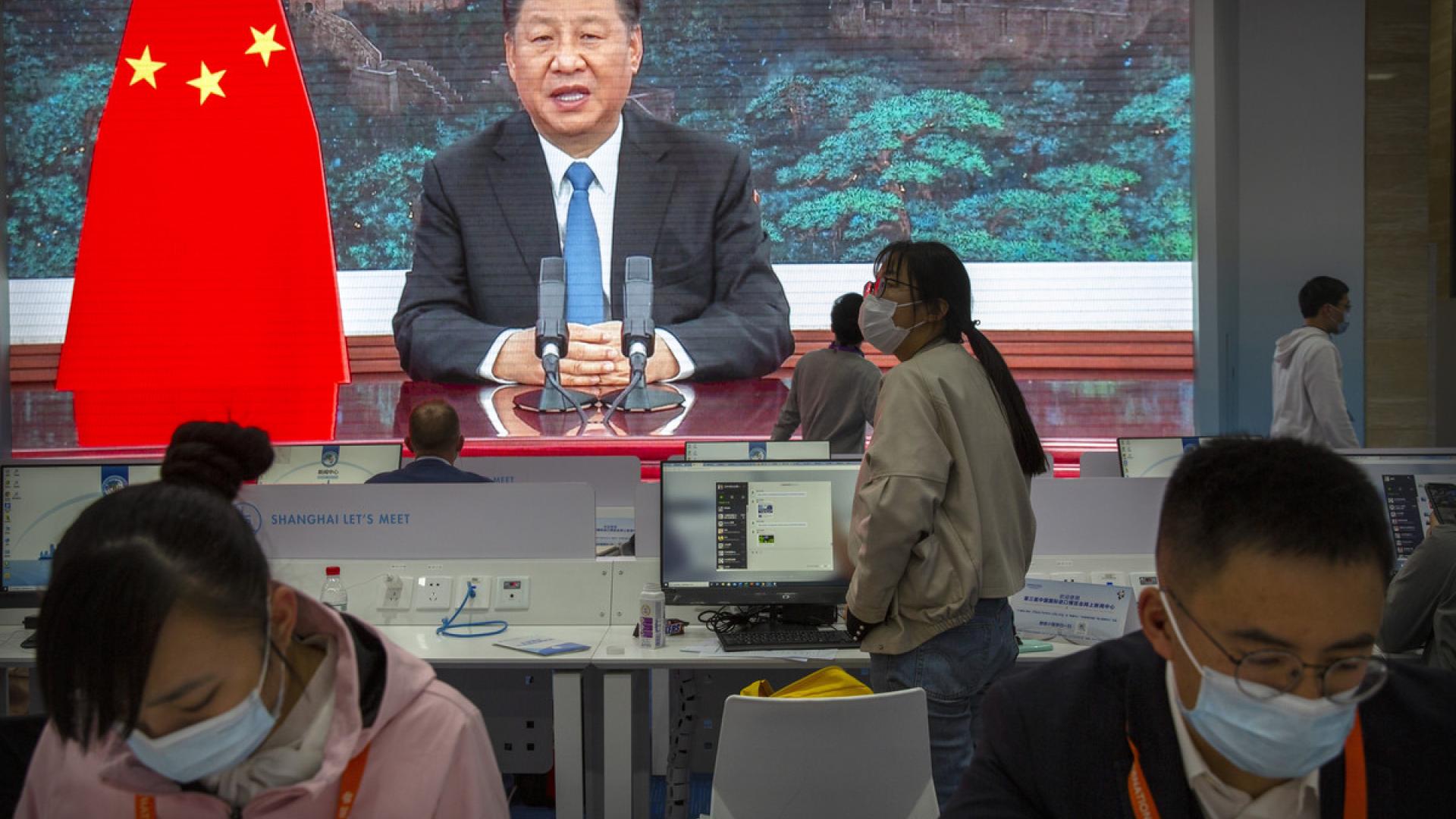
Chinas internationale Medienstrategie erregt im Ausland zwar weniger Aufsehen als das Megaprojekt „Neue Seidenstraße“, ist aber ähnlich ambitioniert. Pekings Einfluss auf die Medienlandschaft im globalen Süden wird dabei oft übersehen. Aber in etwas mehr als einem Jahrzehnt hat China seine Medienpräsenz in Afrika stark ausgebaut. Der regionale Ableger des chinesischen Staatsfernsehens, CGTN Africa, produziert dort mit mehr als 100 überwiegend einheimischen Beschäftigten Programme speziell für den afrikanischen Markt. Seine Reichweite konnte CGTN Africa auch dank der starken Rolle chinesischer Firmen beim Aufbau der Telekommunikationsinfrastruktur ausbauen, darunter dem Ausrüster Huawei, der beim Internet der vierten Generation auf dem Kontinent dominiert. Ähnliche Entwicklungen sind weltweit zu beobachten. So eröffnete CGTN im Dezember 2018 in London einen zentralen Produktionsstandort für Europa mit 90 Mitarbeiterinnen und Mitarbeitern. Über die Konsequenzen von Chinas internationaler Medienstrategie für Menschenrechtsorganisationen und Medien weltweit sprechen wir mit internationalen Expertinnen und Experten:
John-Allan Namu: Investigativjournalist und CEO von Africa Uncensored in Kenia
Cédric Alviani: RSF-Ostasien-Bürochef in Taiwan und Autor des RSF-Bericht über Chinas internationale Medienstrategie
Jillo Kadida: Journalistin bei der Zeitung The Star in Kenia
Chang Ping: Journalist und Kommentator für die Deutsche Welle und Zeitungen in Hongkong. Er lebt im Exil in Deutschland.
Moderation: Maximilian Kalkhof, China-Korrespondent der WELT
Die Diskussion findet auf englischer Sprache statt. Bei Fragen zur Veranstaltung wenden Sie sich bitte per E-Mail an die DW Akademie.
China's international media strategy and its influence on Africa's media sector
While China’s international media strategy is less well known than the Belt and Road Initiative, it is just as ambitious, and China's influence on the global south's media landscape is often overlooked in debates on this growing superpower. But in just over a decade, China has greatly expanded its media presence in Africa, influencing its underlying telecommunications, data and information standards. This discussion round looks at the scope of China's global strategy – particularly its investments in Africa's media sector – the motive behind its ambitions, and discusses its impact on the continent and on independent journalism overall.
Date: November 19, 2020
Time: 5.00 pm – 6.30 pm (CET)
Location: Online event (the event is already fully booked)
China's expansion has been a rapid one. China now cooperates with more than 40 countries in Africa on issues around media policy exchanges, digitization, journalism training and content development. China's media players are also operating and expanding their own companies in Africa and investing in established African media companies. Similar trends are occurring worldwide - the building of a European CGTN Production hub in London is just one example.
This discussion looks at the consequences this has for human rights organizations and media outlets around the world. Using examples, we will explore how China's approach to journalism and freedom of speech has impacted the work of journalists and media outlets in Kenya; the standards and values being transmitted to journalists attending Chinese journalism trainings; and what China's journalism concept means for the West's understanding of universal human rights and journalism's aim to report objectively and independently.
Join us for this interactive debate with international guests and experts:
Moderator: Maximilian Kalkhof, China correspondent WELT
For further questions regarding the event please get in touch with DW Akademie.
The event will take place on the open-source web conferencing platform BigBlueButton. This allows for maximum level of data protection.